


A Guide on How To Clean Your Car Interior
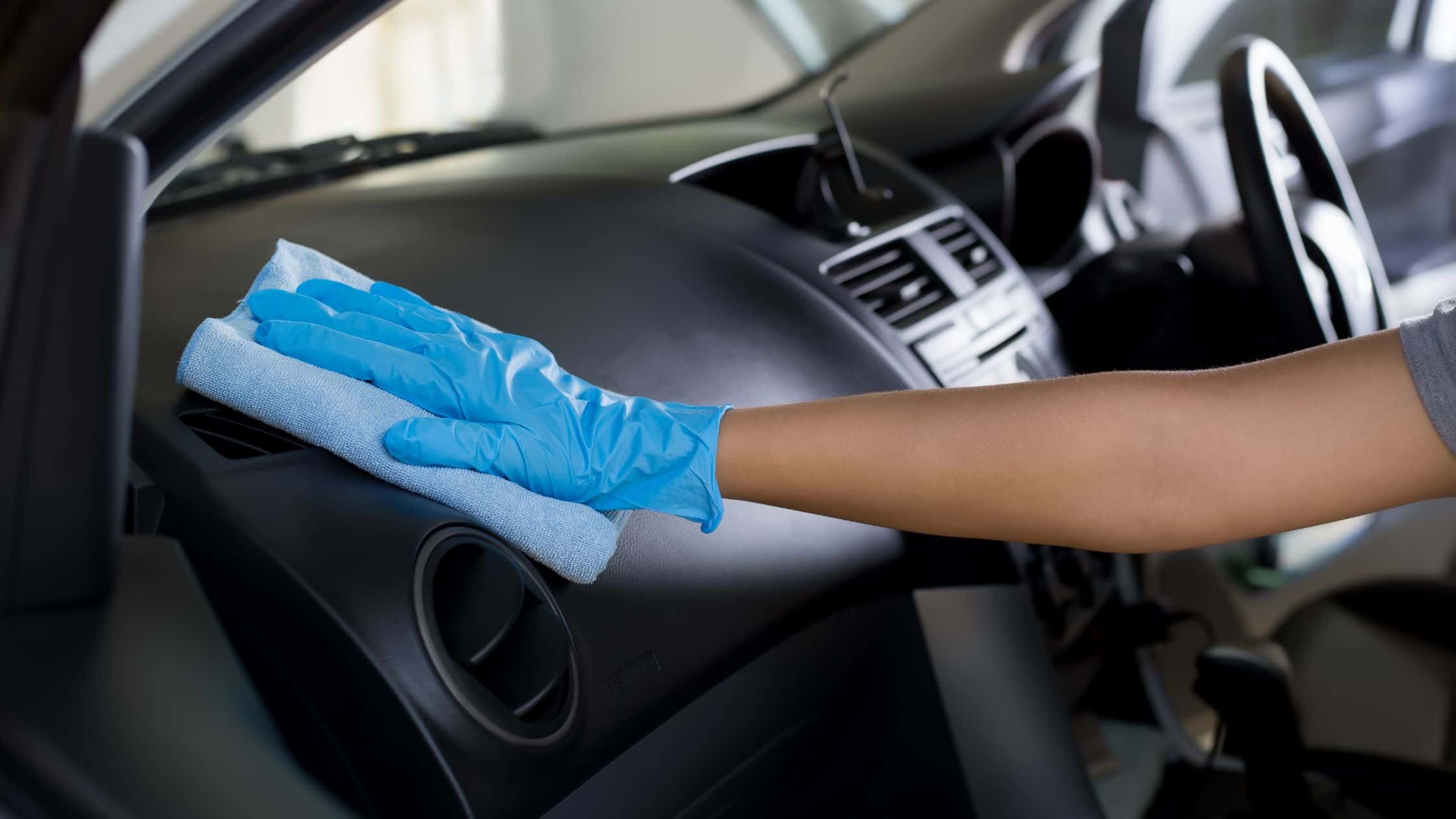
If you're wondering how to clean car interior, a clean cabin can make every journey more comfortable, whether you are heading to work, taking the kids to school or setting off on an Irish road trip. If you have car insurance with Cover in a Click, looking after your vehicle is another simple part of keeping it in good condition. Regular cleaning can also make it easier to spot wear, spills and other small problems before they become harder to deal with.
Before you start cleaning, remove rubbish and personal belongings from the car. Take out the floor mats and shake them outside. Open the doors or windows where possible, especially if you plan to use any water or cleaning products. It is also worth checking the manufacturer's guidance on how to clean your car carpets and mats before using a new product.
What You Need to Clean Your Car Interior
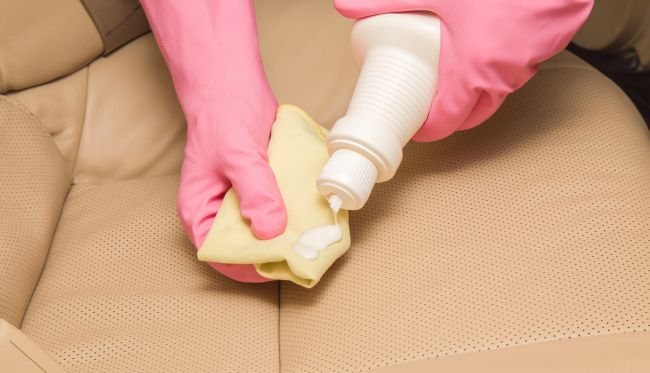
You don't need a large collection of specialist products to get started. A vacuum cleaner with suitable attachments, microfibre cloths, a soft brush, a bucket, warm water and a mild cleaning product will cover most jobs. You may also want a soft-bristled toothbrush or detailing brush for vents and small gaps.
Always test a cleaning product on a small, hidden area first. This is particularly important for leather, coloured fabric and older interiors. Avoid soaking seats or carpets, as excess moisture can take a long time to dry and may leave unpleasant smells.
How to Clean and Dust Car Interior
When learning how to clean your car interior, it helps to work from the top of the cabin down. This prevents dust and dirt from falling onto areas you have already cleaned.
A simple order to follow is:
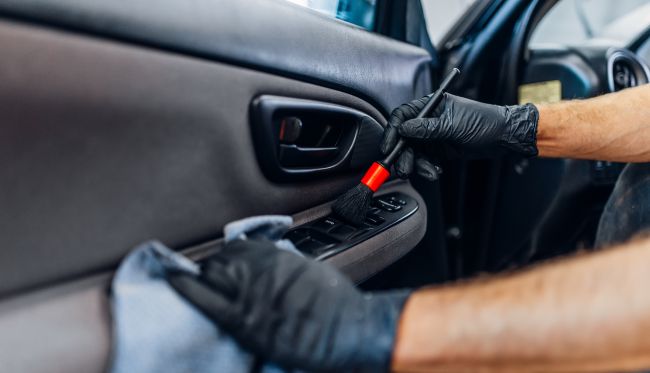
Dashboard and centre console: Use a dry or slightly damp microfibre cloth to wipe away dust and dirt. For stubborn marks, use a small amount of mild cleaner on the cloth rather than spraying it directly onto the surface.
Vents and buttons: Use a soft brush to loosen dust from air vents, buttons and other small gaps.
Door panels: Wipe down the door panels, paying particular attention to handles and other areas that are touched regularly.
Steering wheel and gear stick: These areas can collect oils, dust and dirt over time, so give them a thorough wipe with a suitable cloth.
Cup holders and narrow gaps: A soft detailing brush can help lift dust and dirt from harder-to-reach areas. Vacuum up the loosened debris afterwards.
Final wipe: Once the surfaces are clean, use a dry microfibre cloth to remove any remaining moisture.
Cleaning the Windows from the Inside
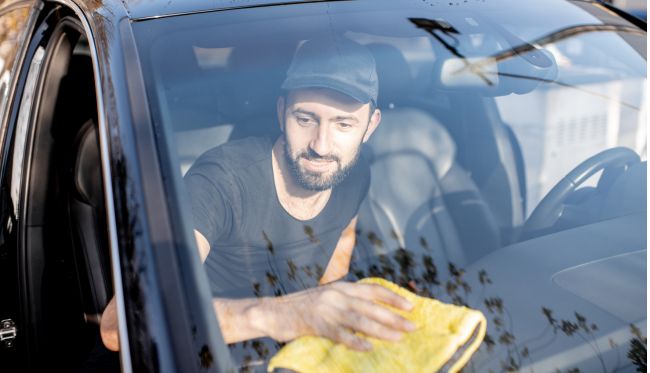
Clean windows are important for good visibility, particularly when driving at night or in poor weather. The Road Safety Authority advises drivers to keep windscreens and lights clean so they can see clearly and be seen by other road users.
Use a clean microfibre cloth and a suitable glass cleaner. Wipe the inside of the windscreen in sections, then use a dry cloth to remove streaks. Don’t forget the side windows, rear window and mirrors.
How to Clean Car Seats
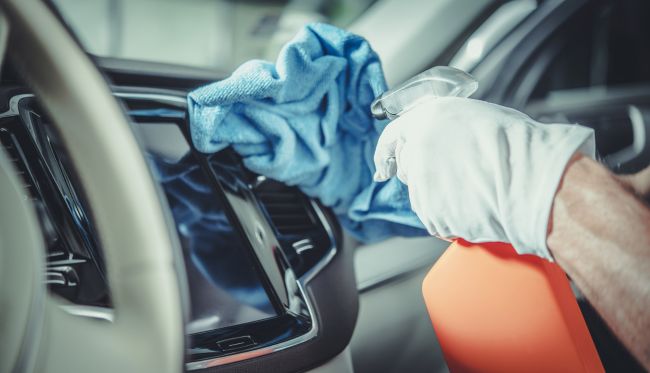
Car seats can collect dust, crumbs, spills and stains, so they need regular attention. The best cleaning method depends on whether your seats are made from fabric, leather or another material.
Before using any cleaning product, vacuum the seats thoroughly. Pay attention to the seams, gaps and areas around the seat edges where dirt can build up. If there are any spills or stains, deal with these before giving the seats a deeper clean.
Fabric Car Seats
Fabric seats can usually be cleaned with a suitable automotive upholstery cleaner. Apply a small amount at a time and gently work it into the fabric with a soft brush or cloth. Avoid using too much water, as damp fabric can take a long time to dry and may develop an unpleasant smell.
If you’re wondering how to clean stained car seats at home, start by checking what caused the stain and choose a suitable product. For liquid spills, blot the area with a clean cloth rather than rubbing it. Rubbing can push the stain further into the fabric or spread it across the seat.
Leather Car Seats
If you want to know how to clean leather car seats, use a product specifically designed for automotive leather. Wipe the seats gently with a soft cloth and remove any excess product afterwards.
Leather can dry out or become damaged if unsuitable cleaning products are used, so always check the manufacturer's advice before applying anything new. A suitable leather conditioner may also help maintain the material.
Cleaning Your Seats at Home
If you’re wondering how to wash your car seats at home, it’s important to remember that car seats shouldn’t be treated like removable household furniture. Avoid soaking them with water or cleaning products. Instead, use a small amount of the appropriate cleaner and allow the seats to dry completely before using the car again. A spot cleaner is a great tool to use if you have one at home.
For older or particularly stubborn stains, it may be worth using a specialist car cleaning service rather than repeatedly scrubbing the material yourself.
How to Clean Upholstery in Your Car
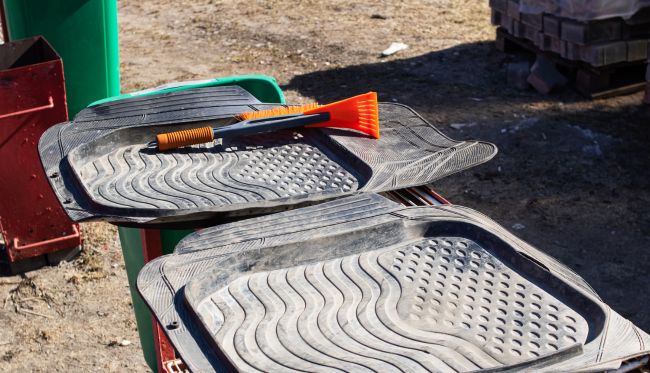
Fabric can be found on door panels, seats and other areas of your car. Vacuum first to remove loose dirt, dust and crumbs.
If you want to know how to clean upholstery in your car, follow these simple steps:
Vacuum first: Remove loose dirt before using any cleaning product.
Treat marks: Use a suitable automotive upholstery cleaner as directed.
Use minimal moisture: Avoid soaking the fabric and allow it to dry fully.
Work gently: Use a soft brush or cloth rather than scrubbing too hard.
Blot excess moisture: Use a clean, dry cloth after cleaning.
To clean car upholstery stains, work gently from the outside of the stain towards the centre. Avoid rubbing too hard, as this can spread the stain or damage the fabric. Always test a new product on a small, hidden area first.
When considering how to clean car interior fabric, check the manufacturer's care instructions where possible and avoid strong chemicals unless recommended for the material.
How to Clean Car Carpet and Mats
Once the seats and upper surfaces are clean, move on to the floor. Remove the mats, shake them outside to remove loose dirt, then vacuum both the mats and the carpet underneath.
Cleaning Car Mats
Wondering how to clean car mats? Then start by checking the material:
Rubber mats: Wash with warm water and mild detergent, then rinse and allow them to dry completely.
Fabric mats: Vacuum thoroughly, then spot clean with a suitable carpet or upholstery cleaner.
Cleaning the Car Carpet
If you want to know how to clean car carpet at home, avoid soaking the floor. Apply a small amount of suitable cleaner to a cloth or soft brush and work gently on any stained areas. Blot with a dry cloth and allow the carpet to dry fully.
Knowing how to clean car interior floor areas is particularly useful after muddy walks, beach trips or wet weather. Check around the edges of the carpet and underneath the seats, but take care around electrical components.
For stubborn odours, vacuum the area thoroughly before using a suitable automotive fabric deodoriser. Make sure the interior is well ventilated and completely dry before closing the car.
Keeping Your Car Interior Clean
How often you clean your car depends on how you use it. If you drive every day, a quick vacuum and wipe-down each week can help keep dirt under control. If you've recently bought a used car, giving the interior a thorough clean is a good way to make it feel more like your own.
Some vehicles may need more frequent cleaning:
Taxi drivers: Regular passengers mean seats, floors and door areas can see more wear and dirt.
Families: Food, drinks and everyday mess can quickly build up in the cabin.
Pet owners: Hair, mud and other dirt can collect on seats and carpets.
Classic cars: Older interior materials may be more delicate, so check the manufacturer's or specialist advice before using cleaning products.
Getting Ready for an Irish Road Trip
Planning an Irish road trip? Give your car a quick clean before you set off. Remove any rubbish, vacuum the seats and floor, clean the windows and make sure there is enough space for everything you need to bring.
A few minutes of preparation can make a long journey more comfortable.
How to Prepare Your Vehicle for the NCT
Cleaning your car is not a substitute for checking its mechanical condition, but it is still worth preparing your vehicle before the NCT. Make sure there are no dashboard warning lights showing before you bring your car for its test.
NCTS recommends that your car should be reasonably clean and that:
The boot and seats are clear of personal belongings.
Seat belts and clips are visible.
The glove compartment is unlocked and clear so the OBD system can be accessed.
Tyres are correctly inflated and the lights and registration plates are in good condition.
The car is at normal operating temperature before the test.
You should also bring the required documents and identification with you. Simple maintenance tasks, such as checking fluid levels and changing the oil when required, can also help you keep your car in good condition.
For more information, see our guide on how to prepare your vehicle for the NCT, or check the latest preparation advice from NCTS.
A Cleaner, More Comfortable Car
Knowing how to clean the car interior properly doesn't mean spending hours detailing it every week. Breaking the job into smaller tasks makes it easier to stay on top of dust, stains and general dirt.
If you've been wondering how to clean your car inside, start with the areas you use most:
Vacuum the seats, floor and mats.
Wipe down the dashboard and other hard surfaces.
Clean the windows and mirrors.
Deal with spills and stains as soon as possible.
Let fabrics and carpets dry fully before using the car again.
If you're researching how to clean the interior of a car, don't forget the smaller areas that are easy to miss. Door pockets, cup holders, seat seams, boot areas and spaces underneath the seats can all collect dirt.
Keeping your car clean is one part of responsible vehicle ownership. Having suitable car insurance is another. Cover in a Click can help you find car insurance to suit your needs, so you can get on with enjoying the road ahead.